- Foods of Abruzzo
These are some of the traditional foods of the Abruzzo region that may be familiar to those with roots in that region:
Spaghetti alla Chitarra
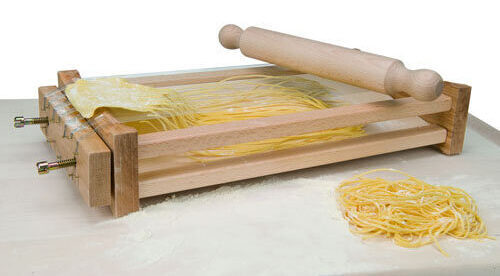
Chitarra Pasta Cutter available for purchase from Destination Abruzzo In the Abruzzo region, spaghetti was made traditionally by cutting fresh pasta dough using a tool known as a chitarra (pronouced kee-TAHR-rah). The word “chitarra” translates into English as “guitar,” a word that can mean either a musical instrument or a wired frame used in the kitchen for cutting soft things like dough or jelly candy. In the Abruzzo region the wires of the chitarra are close together, producing a noodle that is thinner than similarly produced pasta of other regions.
You can watch the video, provided by Experience BellaVita, to see how a rolling pin is used to push the pasta dough through the wires of the chitarra.
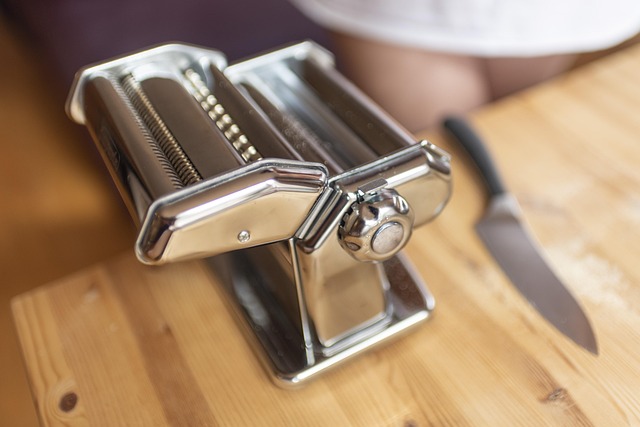
Image by Gunnar Mallon from Pixabay The square-cut edges of pasta made this way contrast with the cylindrical shape of extruded spaghetti. The resulting geometry allows chitarra spaghetti to hold more sauce. This same geometry can be achieved using a more modern pasta machine with a narrow-spaced spaghetti cutter built-in or as an attachment. However the cut is achieved, this traditional fresh pasta is often served with a tomato sauce and tiny meatballs called pallottine. Alternatively, another traditional sauce for spaghetti alla chitarra is a mixed-meat ragù that often contained lamb, since the Abruzzo region had a long tradition of sheep herding.
Scrippelle
In the Abruzzo region, thin pancakes or crepes made from flour, eggs and water are known as “scrippelle.” When rolled up, sprinkled with grated cheese and served in a bath of chicken broth, they are scrippelle ’mbusse. When layered with cheese, sauce and various other ingredients (which can include meat, vegetables, chopped hard-boiled egg, and rice) then baked, you have timballo alla Teramana. Both of these dishes originate from the area around Teramo, so you also may see scrippelle ‘mbusse referred to as “Teramana.”
In the area around Chieti, which is also in the Abruzzo region, you might hear the word “scrippelle” used to describe a Christmas treat made by frying batter or dough and then (usually) finishing it with sugar. You might also hear these sweet fritters called “crispelle” or “crustele”. Recipes vary, along with linguistic customs, sometime at a surprisingly local level. When in the Abruzzo region, to avoid confusion, you might want to refer to the savory thin pancakes as “scrippelle Teramana” and talk about the Christmas treat by specifying that they are “fritte” (fried) and “dolci” (sweet).
In other parts of Italy, the savory thin pancakes are called “crespelle,” and they are often rolled around a filling and baked liked cannelloni. One classic version is crespelle alla fiorentina, which uses a filling of ricotta and spinach. In the Abruzzo region, the filling might include various combinations of cheeses, vegetables and meat and be described as “scrippelle in forno.”
Gnocchi di Patate
The traditional gnocchi of Abruzzo are made with potatoes, flour and egg. After the ingredients are mixed, the dough is shaped into long thin ropes and cut into small pieces (about 3/4 inch). These are then rolled on a gnocchi board, as shown in the photo, to create surfaces that will hold a sauce. In the old dialect of the Teramo area these are called “li surgitt’.”
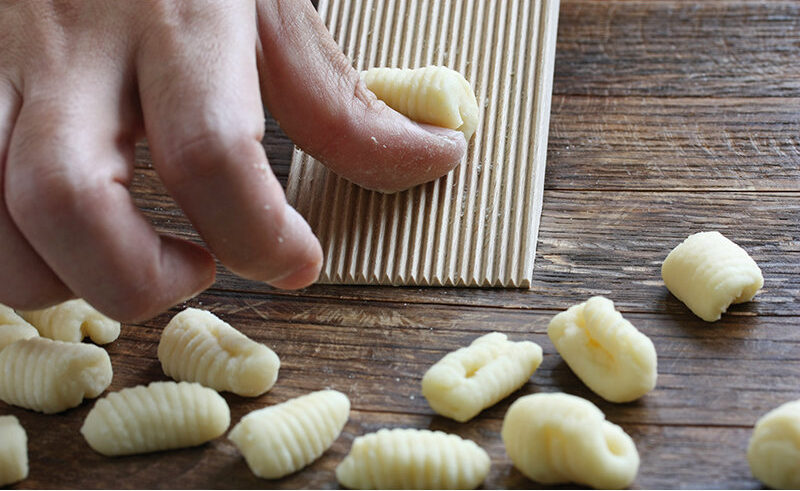
Gnocchi Roller-Ridger Paddle available for purchase from Destination Abruzzo Caggionetti
Caggionetti are crescent-shaped filled and fried pastries, commonly found as a Christmas sweet in Abruzzo, especially in the area around Teramo. They are now officially recognized as one of the region’s traditional food products (PAT). Historically, the dough was made from flour, olive oil, and dry white wine (with a little water as needed), and rolled into a paper-thin sheet. Some dough recipes now include egg, but this is a modern addition to a recipe from a time when resourceful frugality was the rule. The filling, however, provided a bit of luxury with ingredients such as cocoa and cinnamon mixed into chickpea or chestnut purée, along with a sweetener of grape must (mosto cotto) or honey. Other ingredients were added according to local or family recipes and might include grated dark chocolate, toasted nuts (almonds, hazelnuts, walnuts), orange peel, dried or candied fruit (e.g., citron), a bit of liqueur — or other creative choices. Once crimped shut, the little crescents are fried in olive oil until the pastry shell turns light and crisp, then finished with sugar, honey, or caramelized grape must and allowed to cool.
A Christmas Sweet with Many Names
Few Italian sweets are spelled and said so many different ways. In the Teramo area they are caggionetti or, in older dialect, li caggiunitt’. In other areas they may be called caggiunitte, caggiune, calgionetti, calcionetti, calcione, calciuni, cauciuni, cavicioni, caveciune, cavazune, cavazuni, ceci ripieni — and perhaps other names not discovered by this author.
There seems to be no specific linguistic research on the origins of the word caggionetti. However, a likely possibility is that it evolved from calcione, a word that is generally connected to calzone, from calza (‘stocking’), suggesting the pastry’s shape inspired its name. Following patterns of linguistic change typical in the Teramo area, the lc sound was replaced with the gg sound, i.e., calcione > caggione. To indicate a small object, the diminutive -etti was added, i.e., caggione > caggionetti. Some additional linguistic changes common in the old southern Italian dialect of Teramo would then transform i caggionetti to li caggiunitt’ (with the apostrophe indicating a short, soft vowel sound that may not be explicitly heard). 1 Similar linguistic drift shaped by other southern Italian dialects could explain the origins of the many other words used to describe this traditional type of Christmas pastry.
- The use of li rather than i for the plural article (i.e., “the”) is a classic indicator of a southern Italian dialect of the Neapolitan type. The changes from -ion to -iun and from -ett to -itt are examples of what linguists call “vowel raising” because it results from the tongue being placed closer to the roof of the mouth. A further change, when the vowel at the end of a word becomes a short, soft sound, is a form of “vowel reduction” known as “reduction to schwa.” A complete dropping of the final vowel would be called apocope, but listening closely to the speech of older family members who came from the Teramo area suggests that this is not quite what is happening. However, the schwa can be difficult to hear in everyday speech. ↩︎